
International postdoctoral grant to study Arctic human–animal relationships
PhD student Emma Vitale has been awarded an International Postdoctoral Grant from Independent Research Fund Denmark to investigate how traditional technologies have shaped relationships between humans and animals across the Circumpolar North.
Changing environment
The Independent Research Fund Denmark grants are highly competitive and provide early-career researchers with the opportunity to carry out an independent research project abroad while strengthening their academic competences early in their careers.
Emma's research comes at a time of rapid environmental change in the Arctic. Rising temperatures, climate change, and the accelerating loss of the cryosphere are transforming living conditions for Indigenous communities and the animals that have long supported their ways of life.
Cooperation between people and animals
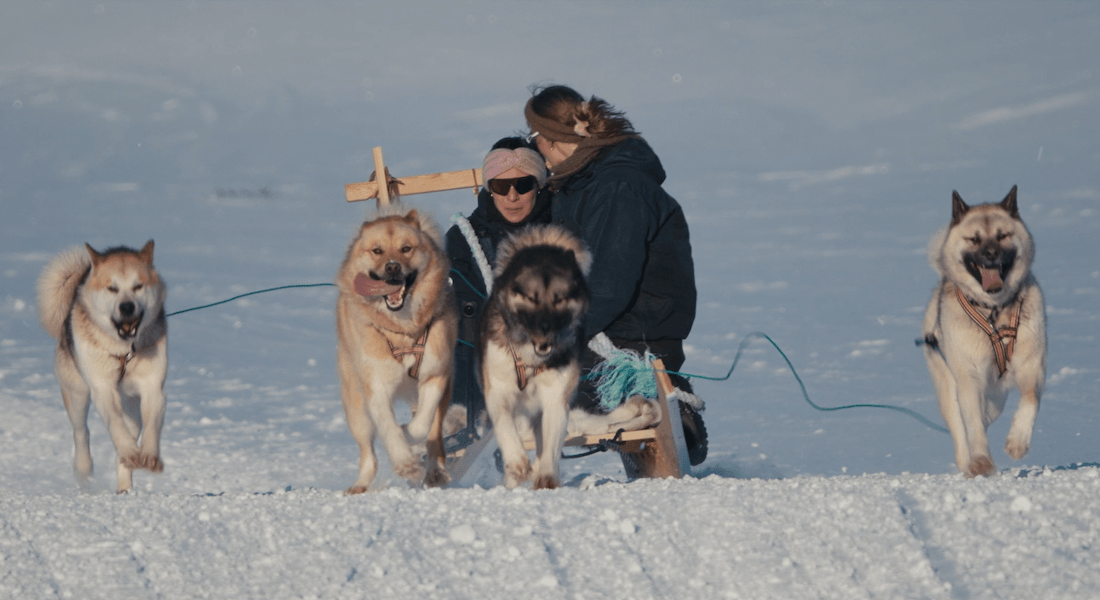
Emma’s project focuses on the material culture of Arctic traction systems—such as sleds, harnesses, and saddles—and how these technologies enabled cooperation between people and animals in some of the world’s most extreme environments. For millennia, Greenlandic sled dogs, Siberian reindeer, and Icelandic horses have played a vital role in mobility, subsistence, and cultural exchange across circumpolar regions.
By combining archaeology, ethnography, and digital 3D modelling Emma will document traditional knowledge and reconstruct how traction technologies shaped processes of domestication and human adaptation. Despite their importance, the technological systems that enabled these human–animal partnerships remain poorly understood.
New light on survival strategies in Arctic
By studying the tools and equipment that made interspecies collaboration possible, the project aims to reveal how technology supported sustainable practices and survival strategies in Arctic societies.
“With this project, I hope to build on my research and experience on Greenlandic sled dogs and extend it to other northern traction animals, including reindeer and horses, to understand how material culture and technology may have actively shaped domestication processes.” Emma says.
The research will result in the first comprehensive investigation of Arctic traction systems using archaeological, ethnographic, and digital methods. Findings will be shared through academic publications and a digital exhibition designed to preserve traditional knowledge and highlight Indigenous perspectives on resilience and sustainability in a rapidly changing Arctic.
Read more about the foundation and the awarded grants here.
Link to Emma's previous work on a historic dog sledge.
Contact:
PhD student Emma Vitale